

Most people don’t think about retirement until it’s staring them in the face. Yet, according to the Federal Reserve’s Survey of Consumer Finances, 46% of US households don’t have retirement savings. To help with this, let’s walk through a step-by-step retirement planning guide so you can start retirement planning before it’s too late.
Why Starting Early Actually Matters
Here’s the thing about time and money that nobody explains well enough when you’re young and immortal and retirement feels like something that happens to other people: compound interest is essentially free money, but only if you give it decades to work its magic, which means every year you delay starting your nest egg is a year of growth you’re never getting back.
The math is brutal. Start at 25, and you’re golden. Start at 45, and you’re scrambling.
But it’s not just about compound interest. Inflation keeps creeping up, healthcare costs are rising faster than anyone wants to admit, and people are living longer, which means your retirement savings need to stretch further than your parents’ ever did.
Understanding Retirement Planning Strategies
Different ages call for different approaches, and understanding this is fundamental to any solid financial planning effort. When you’re in your twenties or early thirties with decades until you hit full retirement age, you can afford to be aggressive with investment strategies because you have time to recover from market downturns, and the long game favors stocks over safer options that barely beat inflation.
But as you get closer to age 65 and beyond? That’s when asset allocation shifts toward preservation. Risk tolerance changes. Your priorities change.
What are the first steps of retirement planning? Honestly, it’s simpler than most people make it: figure out where you are, decide where you want to be, and build a bridge between those two points using the right mix of savings accounts, tax-advantaged retirement vehicles, and smart investing.
Investment Options and Accounts You Need to Know
A 401(k) is probably your first stop if your employer offers one, especially if they match contributions. These employer-sponsored plan options let your money grow tax deferred until you withdraw it in retirement.
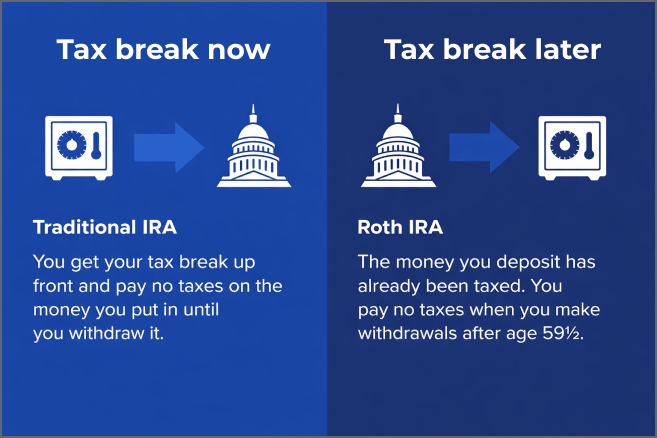
Then there are IRAs. Traditional IRAs give you tax advantages now with income tax owed later, while Roth IRAs work the opposite way—you pay taxes upfront but get tax-free withdrawals after age 59½. Both have their place in retirement planning strategies depending on your current tax bracket versus your expected bracket in retirement.
Tax Planning for Retirement
People forget about taxes constantly when thinking about how to prepare for retirement, and then they’re shocked when they realize a significant chunk of their carefully saved 401(k) is actually going to go straight to the government when they start making withdrawals, which is why understanding the tax implications of different account types matters so much more than most retirement planning tips acknowledge.
A Roth IRA means you’ve already paid your dues. Traditional accounts mean you’ll pay later. Having both gives you flexibility.
Essential Steps to Begin Your Journey
Assess Your Current Financial Situation
Before you can figure out how to plan for retirement, you need to know exactly where you stand right now, which means sitting down with your income, your expenses, your debt, and whatever savings you currently have and being completely honest with yourself about the picture it paints. Most people skip this step because it’s uncomfortable.
Don’t make that mistake.
Define Your Retirement Goals
What does retirement actually look like for you? Some people want to travel extensively, which means replacing close to 100% of pre-retirement income, while others are perfectly happy with a quiet life at home and can get by on far less, and the difference between those two scenarios is hundreds of thousands of dollars in savings you either need or don’t need.
Financial experts used to say aim for 70-80% of your pre-retirement income. Now, many say plan for 100%, at least in the early years. Better to overshoot than end up eating liverwurst for every meal because you underestimated how much retirement actually costs.
Once you have a clear picture of what retirement looks like for you and how much income it will realistically require, the next step is evaluating the big decisions that directly affect whether those goals are achievable. One of the most impactful is how you plan to handle housing in retirement.
Rent vs Own in Retirement
Housing is often a retiree’s largest ongoing expense, which makes the rent versus own decision a major lever in your overall retirement plan. Selling a home and renting can free up equity, reduce ongoing costs like property taxes, insurance, and repairs, and create more predictable monthly expenses. These advantages are highlighted in the article 7 Reasons You Should Rent a Home in Retirement, which frames renting as a way to improve cash flow, maintain flexibility, and protect your retirement strategy from the financial surprises that can come with homeownership.
Choose Suitable Retirement Accounts and Investments
Start with what’s available. Got a 401(k) with a match? Max out that match first. Then consider opening an IRA. Build from there as your income grows.
Planning for Different Stages of Life
Early Career (22 – 35 years of age)
You have time. That’s your biggest asset. Start small if you have to, automate your contributions so you never see the money in the first place, and let compound interest do the heavy lifting for decades while you focus on building your career.
Mid-Career Adjustments (35 – 50 years of age)
This is when you reassess. Your risk tolerance might have changed, your income has probably grown, and you should be maxing out contributions if at all possible. Check if you’re on track. Adjust if you’re not.
Pre-Retirement Preparation (50 – 65 years of age)
The home stretch means shifting focus to preservation and knocking out any remaining debt, plus getting serious about medical expenses because healthcare in retirement can absolutely devastate finances you thought were solid. Consider Health Savings Accounts if you’re eligible—they’re triple tax-advantaged and can cover medical expenses before and during retirement.
Common Mistakes Beginners Make
Waiting too long is the big one. Obvious but true.
Ignoring inflation means thinking you need less than you actually do. Lack of diversification means one bad market can wreck everything. Not having a withdrawal strategy can lead to running out of money. Forgetting about taxes means nasty surprises. Taking Social Security too early means leaving money on the table—waiting until 70 instead of 62 can increase your benefit by 76%.
Benefits of Getting This Right
Financial security means sleeping at night without worrying about money. It means choices—where to live, what to do, how to spend your time. It means not being a burden on your kids. It means dignity.
Good retirement planning strategies buy you peace of mind that no amount of money can buy later if you haven’t done the work now.
Tools and Resources Worth Using
Online retirement calculators like AARP’s can help you estimate where you stand. Budgeting apps keep spending in check. But for serious retirement planning, consider consulting a financial advisor who can give personalized advice—just make sure they’re a fiduciary who’s legally required to act in your best interest, because not all advisors are.
Take Action Today
Every day you wait is a day of compound growth lost forever. That sounds dramatic because it is dramatic. You don’t need to have everything figured out. You just need to start.
Begin your retirement planning journey today to secure a brighter future. Open that 401(k). Set up that IRA. Automate those contributions. Future you will be grateful that you did.
Frequently Asked Questions
What is retirement planning, and why is it important?
Retirement planning is the process of determining your retirement income goals and creating a strategy to achieve them through savings, investments, and other financial decisions that ensure you can maintain your desired lifestyle when you stop working.
How do I start retirement planning as a beginner?
Start by assessing your current finances, setting clear goals for retirement, contributing to available retirement accounts like 401(k)s and IRAs, and automating your savings to build consistency.
What are the key strategies for effective retirement planning?
Key strategies include starting early, maximizing employer matches, diversifying investments across different asset types, understanding tax implications, and regularly reviewing and adjusting your plan as circumstances change.
How much should I save at different stages of life?
While recommendations vary, aim to save 10-15% of your income early in your career, increasing contributions as earnings grow. By retirement, many experts suggest having 10-12 times your annual income saved.
Can retirement planning help me achieve financial security and peace of mind?
Absolutely. Proper planning provides confidence that you’ll have enough resources to maintain your lifestyle, handle unexpected expenses, and enjoy retirement without constant financial stress.