

7 Reasons You Should Rent a Home in Retirement in 2026
With home prices in 2026 projected to experience modest growth, many soon-to-be retirees are rethinking traditional housing decisions. In this article, we explore the 7 reasons you should rent a home in retirement in 2026 and how choosing to rent can strengthen your overall retirement plan.
Retirement planning has changed dramatically over the past decade, and the decision to buy or rent is now one of the most consequential choices retirees face. If you are looking to retire in 2026, housing will likely be your largest ongoing expense, shaping your cash flow, flexibility, stress levels, and long-term financial security. Yet many people still default to homeownership without fully considering whether it supports their changing priorities.
The Changing Landscape of Housing in Retirement
The usual retirement plan is simple: pay off your mortgage, stay in your home, and enjoy low housing costs. However, that playbook no longer reflects reality for most retirees.
Property taxes continue climbing in most states, often outpacing inflation. Insurance premiums have surged in coastal and disaster-prone regions. Maintenance costs rise as both homeowners and their properties age. The promise of ownership with minimal expenses has become increasingly difficult to achieve.
Renters aged 65 and older have increased by about 30 percent in the last ten years. This shows that retirees see the benefits of being flexible instead of owning fixed assets.
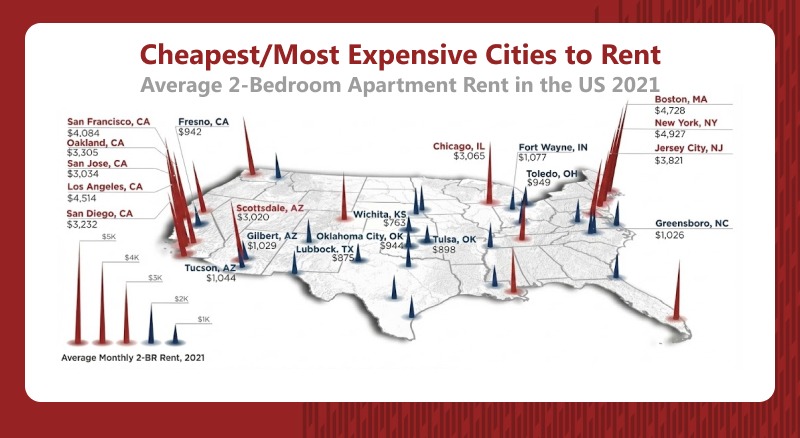
Numbers updated as of 2021
Reason 1: Financial Flexibility Without the Risks of Ownership
Buying a house in retirement locks up capital that could otherwise support your income needs. When your wealth sits in property, you cannot easily access it without selling or borrowing. Renting in retirement keeps your assets liquid and working for you.
A home worth $500,000 represents significant equity. But that equity generates no income while you live in it. If invested in a balanced portfolio yielding 5 percent annually, that same amount could produce $25,000 in income each year.
Renting also protects you from the unpredictable costs tied to homeownership. A roof replacement can exceed $15,000. HVAC systems fail without warning. These expenses strain budgets built around fixed retirement income.
Financial flexibility means having options. It means being able to respond to medical expenses, help family members, or adjust your lifestyle without waiting months to sell a property. For many retirees, the question of whether to save for retirement or house has a clear answer: prioritize flexibility.
Reason 2: Lower Ongoing Costs and Fewer Financial Surprises
When comparing renting in retirement vs owning, the cost structure tells a compelling story. Renters avoid property taxes, which can exceed $5,000 annually in many states. They sidestep homeowners insurance, which has risen dramatically in storm-prone areas. They eliminate capital repair costs entirely.
The average homeowner spends between $6,000 and $9,000 per year on maintenance and repairs. As homes age, these costs accelerate. A 30-year-old property requires far more attention than a 10-year-old one.
Renters pay a single, predictable monthly amount. When the furnace breaks, the landlord handles it. When the roof leaks, the landlord repairs it. This predictability transforms housing in retirement from a variable expense into a fixed one.
Fewer financial surprises means better planning and as a result you can more accurately model your income in retirement.
Reason 3: More Lifestyle Freedom for Modern Retirees
Retirement is rarely static. Health changes. Family dynamics shift. Climate preferences evolve. Older couples renting retirement homes gain the ability to adapt without the friction of selling property.
Want to spend winters in Arizona and summers near the grandchildren in Colorado? Renting makes seasonal relocation easy. Thinking about moving closer to specialized medical care? When your lease ends, you can relocate without the hassle of selling a house.
This flexibility extends to daily life. Renting eliminates yard work, gutter cleaning, and the endless small tasks that consume time and energy. You can redirect that effort toward hobbies, relationships, or simply relaxing.
The rent or buy in retirement decision often comes down to what you value most. If freedom to move, explore, and adjust matters to you, renting provides something ownership cannot: the ability to reshape your living situation without significant financial or logistical barriers.
Reason 4: Access to Amenity-Rich Retirement Living
Modern retirement flats offer amenities that most private homes simply cannot match. Wellness centers, pickleball courts, social lounges, and organized activities create vibrant communities designed for active adults.
Security features provide peace of mind. Controlled access, on-site staff, and emergency response systems are standard in many rental communities. These protections are expensive and complex to replicate in a private residence.
The social dimension deserves attention. Isolation is a significant risk in retirement. Communities that bring together people in similar life stages naturally foster connection. Shared meals, group outings, and casual encounters in common spaces combat loneliness effectively.
For many retirees, the best home for retirement is not the biggest one. It is the home that supports their health in physical, mental, and social ways.
Reason 5: Improved Cash Flow and Stronger Financial Planning
Selling your home and transitioning to renting unlocks equity that can strengthen your retirement plan. Those proceeds can be invested to generate income, creating a more sustainable cash flow structure and opening the door to a variety of retirement income strategies that support long-term financial stability.
This approach also reduces sequence-of-returns risk. When you have accessible liquid assets, you can avoid selling investments during market downturns to cover unexpected expenses. Your portfolio has time to recover while cash reserves handle immediate needs.
The question of whether to save for retirement or house looks different at this stage. You have already accumulated assets. Now the priority shifts to deploying them effectively. Converting home equity into income-producing investments often makes more sense than maintaining an illiquid real estate position.
Renting in retirement vs owning becomes a cash flow optimization question. Which approach allows you to sustain your desired lifestyle longer? For many retirees, the answer points clearly toward renting.
Reason 6: Protection Against Housing Market Uncertainty
Real estate values fluctuate. Markets that seemed permanently strong have declined significantly in past cycles. Retirees who need to sell during a downturn can face devastating losses at the worst possible time.
Renting in retirement removes this exposure entirely. Your financial security does not depend on what happens to property values in your neighborhood. Market corrections do not affect your housing costs.
This protection matters more as you age. Younger homeowners have decades to wait out market downturns. Retirees often do not have that luxury. A significant decline in property value when you need to sell can permanently alter your financial trajectory.
Housing in retirement should provide stability, not introduce additional risk. By renting, you insulate yourself from market volatility and concentrate your exposure in assets you can control and adjust more easily.
Reason 7: Simpler Estate and Legacy Planning
Real estate complicates estate planning. Properties must be appraised, potentially sold, and proceeds distributed. Disagreements among heirs about what to do with a family home can create lasting conflict.
Renting eliminates this burden. Your heirs receive liquid assets that are straightforward to divide. There are no decisions about whether to sell the house, who should live in it, or how to handle maintenance during the transition period.
For many families, this simplicity represents genuine value. Reducing stress during an already difficult time is a meaningful gift to leave behind.
When weighing whether to rent or buy in retirement, consider not just your own experience but also the experience you create for those who will eventually manage your affairs. A home for retirement that simplifies rather than complicates the future often proves to be the wiser choice.
Renting in Retirement vs Owning: A Practical Comparison
Understanding the full picture requires examining both options honestly. Neither renting nor owning is universally superior. The right choice depends on your circumstances, priorities, and financial position.
Renting advantages: Predictable monthly costs. No maintenance responsibilities. Full liquidity of assets. Flexibility to relocate. Protection from market fluctuations. Simplified estate planning. Access to community amenities.
Renting considerations: Rent payments continue indefinitely. Potential rent increases over time. Less control over your living space. No equity accumulation. Dependence on landlord decisions.
Owning advantages: Stable housing without lease renewals. Potential property appreciation. Full control over modifications. Lower monthly costs once mortgage is paid. Possible tax benefits in some situations.
Owning considerations: Capital tied up in illiquid asset. Ongoing property taxes and insurance. Maintenance and repair responsibilities. Market value risk. More complex estate settlement.
Buying a house in retirement may still be appropriate if you have strong ties to a specific community, prefer complete control over your living environment, or have excess capital beyond what you need for income. For most retirees, however, the flexibility and predictability of renting provides stronger alignment with retirement priorities.
How to Decide on the Right Home for Retirement in 2026
Making this decision requires honest reflection on several key questions. Consider each carefully before committing to either path.
Financial assessment: How much of your net worth is currently tied up in your home? Would converting that equity to investable assets meaningfully improve your retirement income? Can you comfortably sustain rent payments from your projected cash flow for 20 or 30 years?
Lifestyle evaluation: Do you anticipate wanting or needing to relocate in the coming years? How important is proximity to family, healthcare, or specific amenities? Are you prepared to handle ongoing home maintenance, or would you prefer to eliminate that responsibility?
Health considerations: Does your current home accommodate potential mobility challenges? Would a rental community with support services provide better long-term security? How does your health outlook influence your housing timeline?
Legacy priorities: Is leaving real estate to heirs important to you? Would your family benefit more from liquid assets than from inheriting property? How do you want to minimize stress for those managing your affairs?
Housing in retirement is too significant to approach casually. Take time to model different scenarios. Consider working with a financial advisor who can project how each option affects your long-term security.
Take Action on Your Retirement Housing Strategy
Like most retirement decisions, there is no one-size-fits-all answer. Your circumstances are unique, and the choice between owning and renting deserves thoughtful consideration. For many retirees, especially those who have owned a home for most of their lives, the idea of transitioning to renting can feel unfamiliar and even uncomfortable.
That is why many soon-to-be retirees find it helpful to speak with a trusted guide who can serve as a sounding board while they navigate the rent versus own decision. If you would like support exploring your options, feel free to send us a message with your specific questions. We would be glad to help you think through what makes the most sense for your retirement plan