

Estate planning checklist resources are a vital tool for ensuring your estate plan is secure and your family’s legacy is protected. For many people, understanding what estate planning involves and where to begin can feel overwhelming. This uncertainty often leads to delays, as the process may seem complex or intimidating at first. However, estate planning becomes far more manageable once you understand its core principles and follow practical, step-by-step guidance that simplifies each decision.
My team and I have helped countless Minneapolis retirees navigate estate planning. A comprehensive checklist is your guide to achieving financial stability, protecting your assets, securing your family, and ensuring your wishes are honored.
What Is Estate Planning and Why Does It Matter?
Estate planning is the process of creating a legal and financial plan that others can later use to manage and distribute your assets—meaning everything you own—when you are no longer able to do so yourself. Your estate consists of all your possessions, which include bank accounts (money held in financial institutions), investments (such as stocks and bonds), real estate (land and buildings), personal property (items like jewelry or vehicles), and digital assets (such as online accounts or digital files).
It’s important for you to understand that an estate plan is far more than just a will. The document includes tax planning methods. It also covers rules for choosing beneficiaries. Additionally, it explains the authority for healthcare decision-making.
But first, we need to identify the core documents that establish an estate plan before getting into the checklist.
Key Estate Planning Documents
With over 20 years of experience helping people “Retire Right”, I recommend you check this list of documents. Make sure you have most, if not all, of them.
Wills
Your will serves as the starting point for your entire estate plan. The document establishes which people will receive your property after death, while it also selects guardians for your underage children and an executor to execute your instructions. The distribution of assets upon death will be governed by state law because there is no existing will. More often than not, this is contrary to your intentions.
Trusts
Trusts function differently from wills because they become active during your lifetime, and they bypass the need for probate proceedings, which is the court process that verifies a will. Trusts are basic legal instruments that enable owners to create adaptable management structures—systems for handling assets—that extend beyond what standard wills can accomplish.
A revocable living trust enables assets to bypass probate, which results in faster processing and reduced legal costs. An irrevocable trust helps reduce estate tax liability while safeguarding assets from creditors’ claims. The planning process should include trusts that serve three main purposes: supporting blended family structures, caring for special needs dependents, and managing large estate assets.
Power of Attorney
A financial power of attorney is a legal document that grants someone you trust the authority to manage your finances if you become incapacitated, which means you cannot make decisions for yourself due to illness or injury. These financial responsibilities can include paying bills, managing investments, and handling real estate transactions. A durable power of attorney is a type of power of attorney that remains in effect after you become incapacitated. Most of the time, you’ll want to give power of attorney to your spouse or a close family member you trust.
Health Care Directives
The two essential components of advance directives are a living will, which specifies your medical treatment choices, and a healthcare proxy, who will decide about your medical care when you cannot. These documents ensure your healthcare decisions remain valid even after you lose the ability to communicate them.
Health care directives are often overlooked, but without one in place, your family may be left to make very difficult decisions when navigating end-of-life treatment.
7-Step Estate Planning Checklist
The following plan provides you with a step-by-step approach to handling your estate planning needs. If you have any questions along the way, please feel free to message me.
Step 1: Take Inventory of Assets
First, make a list of all your important assets and liabilities. This includes:
- Real estate and vehicles
- Bank, investment, and retirement accounts
- Life insurance policies
- The list includes valuable personal property, which includes jewelry, art, and collectibles.
- Digital assets and account credentials
- Mortages
- Loans
- Credit card debt
Step 2: Determine Goals and Beneficiaries
Next, you need to determine which people should receive your remaining assets. Do you want to support charitable causes? Do any family members need protected funds due to special needs? The goals you establish will guide all your future decisions, as outlined in your plan.
Step 3: Choose Key Roles
Select trustworthy personnel to perform critical business functions.
- Executor: Manages estate distribution
- Trustee: Oversees trust assets
- Guardian: Cares for minor children
- Healthcare proxy: Makes medical decisions
Step 4: Prepare Essential Documents
Work with an estate planning attorney (a lawyer who specializes in creating estate plans) to draft your will, trusts, powers of attorney, and healthcare directives. The checklist helps ensure you have all essential documents.
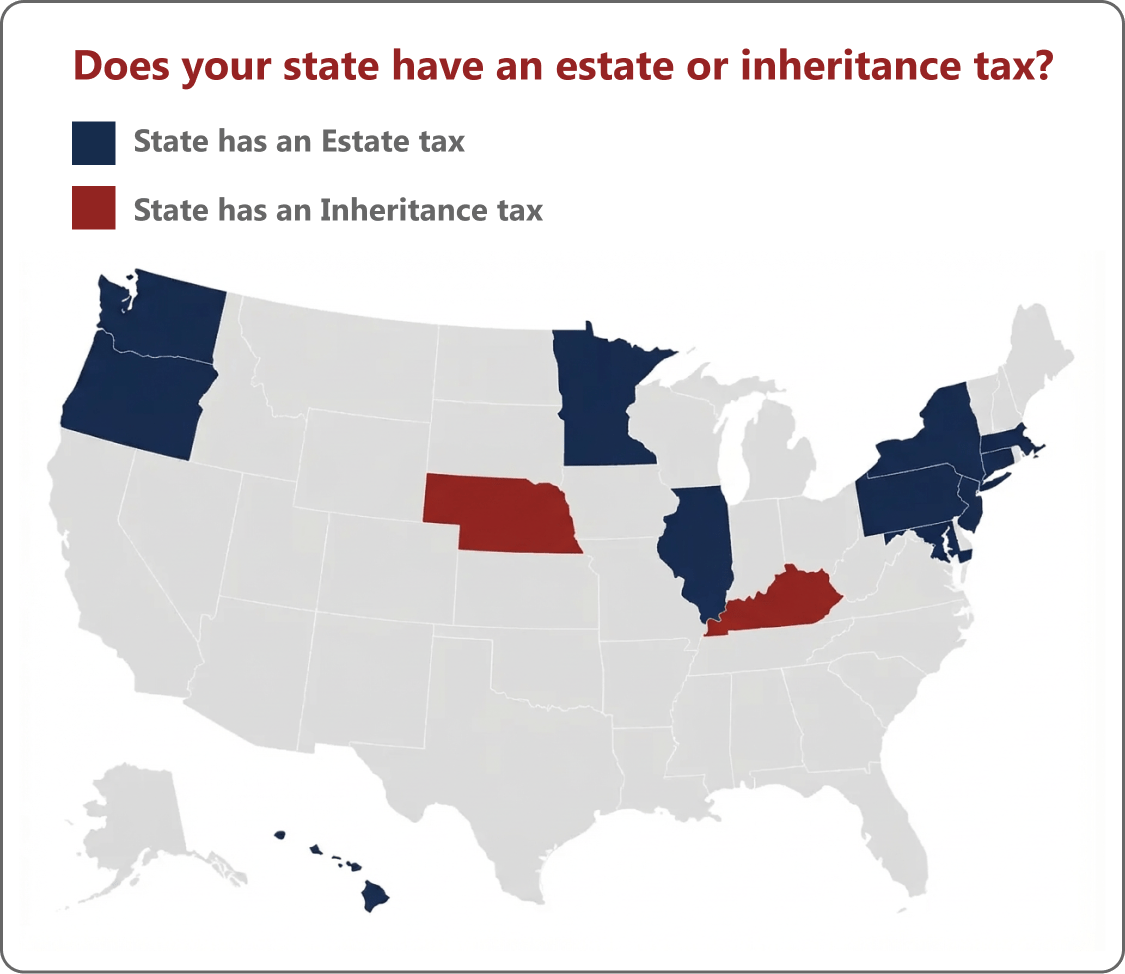
Step 5: Minimize Taxes and Expenses
Your estate will experience lower tax liability because of strategic planning efforts. Establishing irrevocable trusts is a strategy to reduce the amount that becomes subject to estate tax.
The process allows people to convert their traditional Individual Retirement Accounts (IRAs) into Roth Individual Retirement Accounts (Roth IRAs), helping beneficiaries reduce their tax obligations.
Step 6: Communicate Your Plan
Share your intentions with family members and advisors. Open communication prevents misunderstandings, reduces potential conflicts, and ensures everyone understands their roles and responsibilities.
Step 7: Review and Update Regularly
Estate planning isn’t a one-time task. Review your plan every 3-5 years or after major life events, such as marriage, divorce, births, deaths, significant asset changes, or a move to a different state. Keeping beneficiary designations current is particularly critical.
Common Mistakes to Avoid
Your estate planning checklist provides a solid foundation, but you need to watch out for specific traps that could undermine your planning.
- Failing to update plans: Outdated documents may not reflect current wishes or circumstances.
- Incorrect beneficiary designations: These override your will, so errors can have serious consequences.
- Ignoring tax implications: Without proper planning, estate taxes can significantly reduce inheritances.
- Not funding trusts: If you create a trust but do not properly transfer (title) assets into it, the trust will not control those assets or provide the intended benefits.
Benefits of Estate Planning
Among the most valuable tips for estate planning is understanding the profound benefits a comprehensive plan provides:
- Asset protection: Shield wealth from creditors and legal challenges.
- Family harmony: Clear directives minimize disputes among heirs.
- Wish fulfillment: Ensure your legacy reflects your values and intentions.
- Tax efficiency: Strategic structures preserve more wealth for beneficiaries.
Estate Planning Tips for Beginners
Seek Professional Advice
An estate planning attorney brings expertise about state laws and manages complex family relationships. Financial advisors assist clients in achieving their best possible tax results and investment planning outcomes. The right professional guidance helps you create a plan that follows the law and achieves your strategic goals.
Keep Documents Organized
Understanding what documents are needed for estate planning is only half the battle. The storage of original documents should take place in a protected area, such as a fireproof safe (a secure, insulated box designed to protect contents from fire) or a safe deposit box (a secured container held within a bank vault). You should disclose the storage location to reliable people and keep essential documents in digital format.
Take Action Today
The estate planning process becomes easier to manage with this checklist, which breaks complex tasks into simple steps. The best time to plan was yesterday; the second-best time is now.
You should begin your estate planning immediately to protect your legacy and secure your family’s future. We exist to support Minneapolis families facing important life transitions. If you have any questions, please let us know. We are here to help.
Frequently Asked Questions
What is estate planning, and why is it important?
Estate planning requires you to establish methods that will manage your assets until your death and specify how your assets should be distributed after your passing. The document serves as vital protection for your family by allowing you to specify your wishes, reduce tax liabilities, and prevent expensive legal battles.
How do I start estate planning as a beginner?
You should start by creating a list of your belongings to decide which people will receive your assets before you consult with an estate planning attorney for assistance. The first step should be to obtain three vital documents: a will, a power of attorney, and a healthcare directive.
What documents are needed for estate planning?
The essential documents for your estate planning include a last will and testament, together with a financial power of attorney, a healthcare power of attorney, and a living will/advance directive. The need for a revocable living trust depends on your individual situation.
How often should I update my estate plan?
Review your estate plan every 3-5 years, or whenever you experience major life changes, such as marriage, divorce, the birth of children, the death of beneficiaries, significant asset changes, or relocation to another state.
Estate planning enables people to reduce their tax liabilities and legal costs.
Absolutely. Your estate planning strategy should include trusts, gifting strategies, and proper beneficiary selection to achieve three main goals: reducing estate taxes, avoiding probate, and lowering legal fees for your beneficiaries.
